Blog

  • The science-backed morning drink

    A refreshing homemade morning hydration drink (chia fresca with lime) that provides water, electrolytes, and natural energy. After a night’s sleep, your body wakes up mildly dehydrated, which can impair concentration and mood. This science-backed pre-breakfast drink is designed to maximize hydrationreplenish key electrolytes (sodium, potassium, magnesium), and provide an immediate boost to energy and cognitive performance. It utilizes whole, fresh ingredients that you can prepare at home (no synthetic supplements are needed) and targets functional benefits such as fluid balanceenergy metabolismneurotransmitter support, and mental focus. Below is a clear recipe, followed by evidence-based justification for each ingredient and optional enhancements for different needs.

    Recipe: Ultimate Morning Hydration & Energy Tonic

    Yield: 1 serving (about 16–20 oz, ~500 mL)
    Prep Time: 5 minutes

    Ingredients (1 serving) — with science-backed benefits:

    • Water — 1 cup (240 mL): Forms the hydrating base. Adequate water intake is essential for brain function; even mild dehydration (~2% of body weight) can impair attention, memory, and mood. Starting your day with water helps restore your body’s fluid balance after a night of sleep.
    • Coconut Water — 1 cup (240 mL): Provides natural electrolytes, especially potassium (~500 mg per cup) and magnesium. These electrolytes assist in rehydration and nerve/muscle function. Research shows coconut water rehydrates as effectively as sports drinks, thanks to its potassium and magnesium content. It’s also low in calories (≈60 kcal/cup) and adds a light sweetness.
    • Fresh Lemon Juice — from 1/2 lemon: Adds flavor and vitamin C (~15–20 mg). Vitamin C is a cofactor in neurotransmitter synthesis (helps convert dopamine to norepinephrine) and supports cognitive function. It also aids energy metabolism by helping produce carnitine, which the body uses to burn fats for energy. Plus, lemon provides a small amount of potassium and antioxidants.
    • Natural Sea Salt (unrefined) — 1/8 teaspoon (a pinch): Provides sodium and trace minerals. Sodium is crucial for fluid balance and acts like a “water magnet” to help cells absorb and retain hydration. Adding a pinch of salt to water helps replace electrolytes lost overnight and improves water absorption. This supports blood pressure and electrolyte balance, which in turn benefits concentration and exercise performance. (If you expect heavy sweating or exercise, up to 1/4 tsp may be used for extra sodium.)
    • Raw Honey — 1 teaspoon (5 mL): A natural source of glucose for immediate energy. The brain and muscles use glucose to fuel activity, and a small morning dose can boost alertness. Combining a little sugar with salt and water mirrors the formula of medical rehydration solutions for optimal uptake. Honey also contains trace antioxidants and adds a pleasant taste, encouraging you to drink more. (Option: substitute pure maple syrup or a splash of fresh orange juice for an alternative and extra potassium.)
    • Fresh Ginger — 1/2 inch knob, grated (≈2–3 g) (optional but recommended): Adds a zesty kick and bioactive compounds (like gingerols) that support digestion and circulation. Notably, ginger has been linked to cognitive benefits — a clinical study found daily ginger extract improved working memory and attention in middle-aged women. It also helps tame inflammation and nausea, setting a comfortable stage for breakfast.
    • Fresh Mint Leaves — 3–5 leaves, torn/muddled (optional): Contributes a cooling flavor and aroma. Peppermint (Mentha) has proven cognitive effects — even a modest cup of peppermint tea was shown to improve memory and alertness in healthy adults. Menthol from mint can increase cerebral blood flow and support neurotransmitters related to focus. Mint also soothes the stomach and pairs well with lemon/ginger.
    • Chia Seeds — 1 tablespoon (12 g) (optional enhancement): A hydrating super-seed rich in soluble fiber, omega-3s, and minerals. Chia seeds swell and form a gel in water, absorbing ~10× their weight in fluid — this slows digestion and prolongs hydration in the body. They also provide additional potassium, calcium, and ~40 mg of magnesium per tablespoon, supporting muscle and nerve function. (Chia’s magnesium contributes to over 300 enzymatic reactions, including ATP energy production and neurotransmitter release.) Bonus: Chia adds a bit of protein (~2 g) and satiety, though its gel texture may be unusual for some — you can skip it if you dislike tiny gelled seeds.

    Instructions:

    1. Prep the Base: In a large glass or jar, combine the water and coconut water. Add the pinch of sea salt and stir until dissolved. The mix should taste only lightly briny (not like ocean water) — just enough sodium to aid hydration.
    2. Optional — Soak Chia: If using chia seeds, stir them into the liquid. Let the drink sit for 5–10 minutes, stirring or shaking a couple of times, until the seeds plump up slightly and are suspended (forming a thin gel). This step lets chia release its soluble fiber, which helps retain water. Or just blend the seeds without waiting if texture isn’t a concern. (Tip: Use a jar with lid to shake, preventing clumps of seeds.)
    3. Flavor and Fortify: Add the fresh lemon juice to the mixture. Grate in the ginger (or add ginger juice/paste) and drop in the mint leaves. Give it a good stir. The lemon provides vitamin C for a bright flavor and neurotransmitter support, while ginger and mint lend an invigorating aroma that can help awaken the senses.
    4. Sweeten and Adjust: Stir in the raw honey (or your chosen natural sweetener) until dissolved. The subtle sweetness not only improves taste but also provides a quick carb boost to your brain and muscles, helping you feel more alert. Taste the drink and adjust — you can dilute with more water if too strong, add a bit more honey or lemon to your preference. It should taste lightly sweet-tart with a hint of salt and ginger.
    5. Enjoy Immediately: Drink this tonic right after waking up, before breakfast. It’s most effective when fresh. You can serve it at room temperature or lightly chilled (add a few ice cubes if desired). As you sip, know that you’re rehydrating your body, replenishing vital electrolytes, and priming your brain for the day ahead!

    Nutritional Profile (approximate per serving):

    (With 1 tsp honey and 1 Tbsp chia seeds; values will vary slightly with ingredient variations.)

    Nutrient Amount per serving Key Benefits Calories ~80–100 kcal Modest energy boost to start metabolism Carbohydrates ~15–18 g (naturally occurring)– Sugars: ~8–10 g– Fiber: ~5 g (with chia) Quick brain fuel from natural sugars; fiber for steady absorption Protein ~2–3 g From chia seeds — minor support for muscles Fat ~2–4 g (healthy fats) From chia seeds (omega-3 ALA) — supports brain and cell health Sodium ~300 mg Replaces overnight losses; aids hydration Potassium ~450–600 mg (≈10–15% DV) Electrolyte for nerve signaling & muscle function Magnesium ~50–80 mg (≈12–20% DV) Cofactor for ATP energy production & neurotransmission Vitamin C ~15–20 mg (≈20% DV) Antioxidant; cofactor in neurotransmitter synthesis B-vitamins Trace amounts (Small contributions from coconut water, honey, etc.)

    DV = Daily Value. This drink is low in calories but rich in hydration and electrolytes. The natural sugars provide an immediate energy lift, while minerals and vitamin C support your body’s morning needs. It’s a great primer before a balanced breakfast.

    Optional Add-Ins and Modifications

    Tailor this morning drink to your specific needs with the following evidence-backed enhancements:

    • For Intense Physical Activity: Pre-workout boost: Replace or augment the lemon with fresh orange juice (e.g., 1/2 cup) for extra carbohydrates and potassium. Orange juice is rich in vitamin C and adds ~12 g of natural sugar to fuel muscles and ~240 mg of potassium for electrolyte balance. If you expect heavy sweating (endurance exercise or hot weather), you can increase the sea salt to 1/4 tsp (≈550 mg sodium) to ensure adequate sodium replacement. This creates a DIY sports drink that can sustain performance — in fact, the combination of water + sodium + glucose is a proven oral rehydration formula for optimal fluid absorption. (Just be mindful of the extra calories if you’re watching intake.)
    • For Enhanced Mental Focus: Caffeine + Nootropics: If you’d like a cognitive boost, consider brewing green tea (cooled) and using it as part of the liquid base (replace half the water with 8 oz green tea). Green tea provides a gentle dose of caffeine (~30–50 mg) plus L-theanine, which together improve alertness and focus without jitters. Studies show that even the aroma and consumption of peppermint can sharpen attention and memory, so keep the mint in for a nootropic effect. You may also add a pinch of ground cinnamon — this spice has been linked to improved cognitive processing and memory in humans. Stirring in a dash of raw cacao powder (rich in flavonoids) is another option for mental performance; cocoa flavanols have been shown to enhance cerebral blood flow and executive function (and cacao adds about 5 mg caffeine and magnesium too). These additions make the drink a true “brain tonic” to kickstart your work or study day.
    • For Recovery and Anti-Inflammatory Support: Restorative twist: Add 1/8 tsp turmeric powder plus a pinch of black pepper (to enhance curcumin absorption) to harness turmeric’s anti-inflammatory and antioxidant properties. While subtle in flavor at this amount, turmeric can help reduce inflammation over time, potentially benefiting brain health and muscle recovery (curcumin has been studied for improving mood and reducing exercise-induced soreness). Additionally, a splash (~1–2 tbsp) of tart cherry juice can be included for its high polyphenol content — tart cherry is known to improve recovery and sleep in athletes due to its antioxidants and natural melatonin. These tweaks are especially useful if you have had an intense workout or are under stress, as they help combat oxidative stress and support overall recovery. (Note: These are optional — the base recipe already offers a solid foundation for daily hydration and energy.)

    Scientific Rationale: This pre-breakfast drink targets the core factors that make your mornings sharper and more energizedHydration is key — after hours without water, rehydrating can quickly improve mental clarity and mood. The inclusion of sodium (salt) and potassium (coconut water, citrus) ensures that the water you drink is effectively absorbed and distributed in your cells, since electrolytes maintain the body’s fluid balance and enable muscle and nerve signaling. Magnesium, often depleted by stress or poor diet, is replenished through natural sources (coconut water, chia, greens) to support hundreds of enzymatic reactions — including ATP energy production and neurotransmitter release for brain activity. The small amount of natural sugar from honey/juice gives an immediate glucose supply for your brain, which can acutely enhance cognitive performance (sometimes called the “glucose fuel effect” on memory and attention). Meanwhile, antioxidants and vitamins (vitamin C from citrus, polyphenols from ginger/mint) help scavenge free radicals and support neurotransmitter synthesis, further boosting mental function.

    By using whole ingredients like lemon, coconut water, and ginger, we harness a spectrum of nutrients and plant compounds that work in synergy. For example, peppermint’s menthol not only stimulates alertness but may help preserve the neurotransmitter acetylcholine by inhibiting its breakdown. Ginger and cinnamon improve circulation and insulin sensitivity, which can stabilize blood sugar and cognitive function. Unlike many commercial “energy drinks” or supplements, this recipe avoids excessive caffeine or artificial additives — it provides a gentle, natural lift that primes your body and mind for the day. It’s essentially a homemade electrolyte cocktail (sometimes dubbed an “adrenal tonic” or “morning cocktail” in wellness circles) that focuses on rehydrating and nourishing your system as soon as you wake up.

    Give this morning drink a try and feel the difference: within minutes you’ll be rehydrated, your cells replenished with essential minerals, and your brain fuel tank topped up — a recipe for optimally starting your day on a hydrated, energized, and mentally focused note!


  • Al Habtoor Name Origins & Meaning

    Meaning of the word “Habtoor” (حَبْتُور)

    • Habtoor (also vocalised Habtur/Habtour) is attested in the classical lexical works under the triliteral root ح-ب-ت-ر. The dictionaries gloss it as “slender / small-bodied; short in stature,” and occasionally as a nickname for the fox. A man who was noticeably slim or diminutive could therefore be called Ḥabtoor, and the definite article al turns that nickname into a family identifier, “the Habtoor(s).” (arabicnames.hawramani.comislamweb.net)

    Tribal & geographic origins

    The earliest written references place the family in the old coastal settlement of Al-Shindagha, Dubai, in the late 1800s, living from pearling and small-scale trade. (alshindagah.com) Most Emirati genealogists say the Habtoor house is a branch of the Al Murar clan, itself one of the 20 subsections of the great Bani Yas tribal confederation that dominates the central Gulf. (en.wikipedia.org)

    Genealogical databases show the surname is overwhelmingly Emirati: ~161 bearers (≈1:57k) live in the UAE, mainly Dubai; minuscule numbers appear elsewhere. (forebears.io) A minority of popular-history writers link the family’s far-back ancestry to Hadhramaut, Yemen, noting that many Ḥaḍramī pearl-divers moved up the coast during the 19th c. pearling boom. (watertogo.simoyu.si)

    Both accounts are compatible: Hadhrami migrants frequently fused into Bani Yas lineages, and Dubai’s Al Murar quarter is known for absorbing seafaring newcomers.

    How old is the surname?

    • Classical era: Ḥabtur/Habter appears in early Arabic poetry (e.g., verse cited by Al-Rā‘ī) as a personal name or epithet for a short man. The lexical sources therefore confirm that the word predates the modern Gulf usage by many centuries. (islamweb.net)
    • Gulf documents: British-India residency archives from the 1910s already list “Al Habtoor” boat owners in the Creek, indicating that the nickname had become a hereditary surname by the turn of the 20th century.

    Key takeaways for the name “Al Habtoor”

    1. Literal sense: an old Arabic adjective meaning “slim/short,” later used as a nickname.
    2. Tribal identity: today tied to the Al Murar branch of the Bani Yas, centred in Dubai’s historic Al-Shindagha district.
    3. Alternative lore: some family storytellers trace an earlier migration from Hadhramaut, Yemen — a common pattern for Gulf trading houses.
    4. Modern prominence: Through Khalaf Ahmad Al Habtoor’s business empire, the name has become synonymous with Emirati entrepreneurship.

    That encapsulates both the linguistic roots and the socio-historical journey of the Al Habtoor family name.

  • Setting up ChatGPT for Hacking

    Often, even with benign requests to ChatGPT, we get the doomed ‘sorry, I can’t help with that.’ Here, we will look at some ways to bypass those safety restrictions and eventually use them for interacting with the OS.

    Normal Chatgpt
    Chatgpt safeties bypassed

    Creating a Kali Linux Virtual Machine

    If you already have a Kali computer or a VPS running Kali, this step can be skipped. Although all these steps below can be followed on any version of Linux, and the chatGPT bypassed for basic chat, Kali will come in handy later when using the built-in tools.

    Install Kali Linux in Virtual Box

    Integragting ChatGpt within Kali Linux

    OpenAI API Key

    Create an account or log in to OpenAI. Generate and export an API key from https://platform.openai.com/account/api-keys

    Install Python3, git and Pip3

    Open the terminal on your VM.

    sudo apt update && upgrade -y
    sudo apt install python3
    sudo apt install git
    sudo apt-get –y install python3-pip

    Install JQ

    You will need the JQ library to allow the JSON structure of the API to be used and manipulated.

    sudo apt install git jq

    Export API Keys to the Environment

    This is so you can avoid entering the API each time you reopen the VM and substitute <API value> with the API key.

    export OPENAI_API_KEY=<API value>
    export CHATGPT_KEY=<API value>

    Restart the VM and type ‘env’ in the terminal to see if they have been added correctly.

    If not, you can edit the .zshrc file with nano.

    nano ~/.zshrc

    At the bottom of the file, add the configuration (the two export lines in the code above). Press Ctrl + O to save and Ctrl + X to exit. After editing the file, apply the changes to your current terminal session by sourcing the file.source ~/.zshrc

    Reboot the machine, open the terminal, and check the env. The keys should now persist across reboots. Depending on the system, you may also need to do the steps above to the ~/.bashrc file.

    ChatGPT-Bypass & ShellGPT

    These will allow you to pass ethical hacking commands through the API to Kali Linux. Navigate to the desktop and mkdir a chatgpt folder and enter it. The below commands install the packages, and the chmod permits it to execute.

    pip3 install shell-gpt
    git clone https://github.com/GrimOutlaw/ChatGPT-Bypass.git
    chmod +x ./chatgpt_bypass.sh

    cd to the ChatGPT-bypass folder and try entering something to see if it works.

    ./chatgpt_bypass.sh 'hi'

    If you don’t get a response, then nano into the chatgpt_bypass.sh file, delete all the code, and enter the following code:#!/bin/sh

    #!/bin/sh
    
    echo "\n[+] Input: $1"
    echo "\n[+] Output:"
    
    response=$(curl -s https://api.openai.com/v1/completions \
      -H 'Content-Type: application/json' \
      -H "Authorization: Bearer $CHATGPT_KEY" \
      -d '{
        "model": "text-davinci-003",
        "prompt": "'"$1"'",
        "max_tokens": 4000,
        "temperature": 1.0
      }' \
      --insecure | jq -r '.choices[].text')
    
    echo "$response"

    Max_tokens can be changed as well as temperature. Choose a value between 1 and 0. 0 being direct and 1 being more creative.

    To test the shellGPT, just type:

    sgpt 'hello'

    TIPS

    Copy lines of code one line at a time if something doesn’t work and troubleshoot using a standard web version of Chatgpt.

    Be sure you know what VirtualBox Host Key is to get out of full-screen mode.

    Enter the below code to make sure everything is up to date.

    sudo apt update && upgrade -y

    Ensure quotation consistency in code. Single quote ` or ‘ curly or “ double.

  • The Critical Importance of Seawater Desalination for the UAE and Potential Alternatives in Case of Disruption

    Introduction

    The United Arab Emirates (UAE) is one of the most water-scarce countries in the world and relies heavily on seawater desalination to meet its freshwater needs. Desalinated water accounts for over 40% of total water demand in the UAE (EAD, 2019). However, seawater desalination is highly susceptible to pollution and contamination of intake seawater. This paper analyzes the impact of potential seawater pollution on desalination in the UAE and explores alternative freshwater sources that could be utilized if desalination was disrupted.

    Impact of Seawater Pollution on Desalination

    Seawater desalination involves pressurizing salty seawater against a membrane to filter out salts and minerals. Even minor oil or chemical pollution can clog or contaminate the desalination membranes, reducing their efficiency or making them inoperable (Lattemann & Höpner, 2008). Desalination plants may have to cease membrane cleaning and replacement operations, disrupting water supplies. Furthermore, polluted intake water can contaminate the desalinated product water, making it hazardous for consumption. The economic and public health consequences of such pollution events can be severe for the UAE’s desalination-dependent population.

    Alternative Water Sources for the UAE

    Groundwater Extraction

    The UAE has significant groundwater reserves, predominantly in the northern emirates. Tapping into groundwater aquifers could temporarily offset reductions in desalinated water. However, excessive groundwater pumping risks aquifer depletion and salinization (Murad et al., 2007). Groundwater would be a limited short-term alternative.

    Water Reuse

    Treating and reusing wastewater is already practiced in the UAE for landscaping and district cooling (Amer et al., 2015). Direct and indirect potable reuse could be scaled up to maximize reuse potential in an emergency. However, health and social acceptance concerns of consuming repurified wastewater would need addressing.

    Stormwater Harvesting

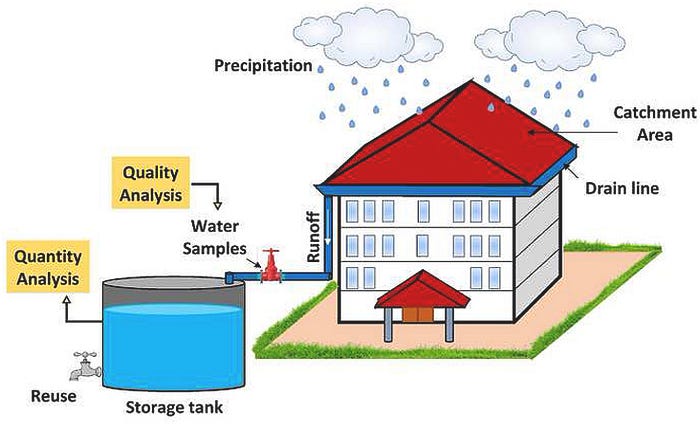
    Artificially recharging groundwater using checked dams and reservoirs to capture rainfall and runoff could supplement aquifers (Sherif et al., 2012). While helpful, the UAE’s arid climate limits this option’s potential.

    Inter-Emirate Water Transfers

    Freshwater could be piped from the northern emirates to coastal cities. However, lack of infrastructure and high costs make this a challenging prospect (Brook et al., 2006).

    Emerging Alternatives

    Atmospheric Water Generation

    Technologies that extract potable water from atmospheric humidity could be viable in the UAE’s humid coastal regions (Mendoza-Escamilla et al., 2019). Although limited in volume, atmospheric water generation could provide supplementary household-scale water sources.

    moisture farms
    Moisture farm on Tatooine

    Solar Desalination

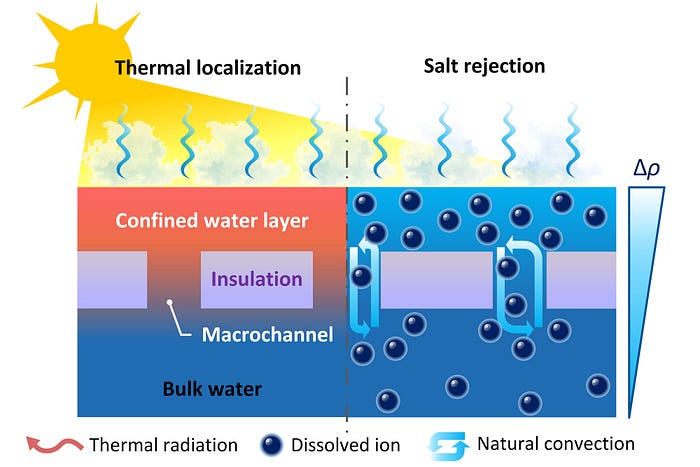
    Emerging solar thermal desalination techniques could potentially treat seawater contaminated with chemicals, oil, or algae by distilling water vapor, leaving contaminants behind (Alarif et al., 2022). However, solar desalination’s scalability and economic feasibility still need to be proven.

    Solar desalination

    Weather Modification

    While controversial, technologies such as cloud seeding and charged ion emission could stimulate precipitation or condensation for freshwater harvesting (Khan, 2022). The UAE has already experimented with cloud seeding. Further developing technologies like Weather Generators could supplement rainwater collection.

    Trans-national Water Imports

    With proximity to the Arabian Sea and the Gulf of Oman, importing water via ships from sea routes or pipelines from neighboring countries could conceptually secure emergency water supplies, albeit at likely high economic and geopolitical costs.

    Non-Traditional Water Sources

    Exploring unconventional water sources like agricultural drainage water recycling, fossil aquifer utilization, or even iceberg towing could provide outside-the-box options during crises. However, costs, volumes, and quality concerns exist.

    Conclusion

    Seawater desalination is critical for the UAE, and pollution events could have severe implications. While groundwater, reuse, and stormwater can supplement reduced desalination outputs, emerging technologies, and non-traditional water sources provide promising long-term alternatives worth investing in for strategic water security. Water transfers and cooperation within the UAE and region also warrant consideration. An integrated portfolio approach combining multiple alternatives will hedge risks and build resilience.

    References

    Alarif, S., Tanvir, M. S., Faisal, M., & Khan, Z. (2022). Advances in thermal desalination technologies — A comprehensive review. Desalination, 532, 115719.

    Amer, K. M., Ulrich, A. C., Siddiqi, A., & Dhib, R. (2015). Water reuse in the UAE. Water Reuse Association, 15(3), 58–63.

    Brook, M. C., Al Houqani, H., & Al Mehairi, A. (2006). Characteristics of the water resources and demand in the United Arab Emirates (UAE). In Water demand management (pp. 183–205). Taylor & Francis.

    EAD. (2019). Climate Change Impacts on Water Resources — Abu Dhabi Emirate, United Arab Emirates. Environment Agency.

    Khan, Z. A. (2022). Rainfall enhancement and cloud seeding — A global overview. Atmospheric Researchp. 266, 105931.

    Lattemann, S., & Höpner, T. (2008). Environmental impact and impact assessment of seawater desalination. Desalination, 220(1–3), 1–15.

    Mendoza-Escamilla, J. A., Hernandez-Rangel, F. J., Cruz-Alcántar, P., Saavedra-Leos, M. Z., Morales-Morales, J., Figueroa-Diaz, R. A., Valencia-Castillo, C. M., & Martinez-Lopez, F. J. (2019). A feasibility study on using an atmospheric water generator (AWG) to harvest fresh water in a semi-arid region affected by mining pollution. Applied Sciences, 9(16), 3278.

    Murad, A. A., Al Nuaimi, H., & Al Hammadi, M. (2007). Comprehensive assessment of water resources in the United Arab Emirates (UAE). Water resources management, 21(9), 1449–1463.

    Sherif, M. M., Singh, V. P., & Amer, A. M. (2012). A Note on Reliability Analysis of Rainfall–Runoff Process for Water Resources Management. Water resources management26(10), 2953–2964.

    https://www.weathergenerator.net/post/local-weather-modification-process

  • The History of Sand Grain Sizes: An In-Depth Analysis of the Slight Variations Over the Last Millennium

    Sand, the seemingly mundane substance we often associate with beaches and deserts, has a rich history that’s as dynamic as the forces that shape it. Over the last millennium, the size of sand grains has seen subtle yet significant changes, influenced by both natural and anthropogenic factors. This article delves into the intricate journey of sand grain sizes through the ages.

    The Early Middle Ages: Nature’s Play

    Around the 10th century, the world’s climate was undergoing the Medieval Warm Period. This climatic phase saw warmer temperatures, which had a direct impact on glacial melt and sediment flow into rivers and oceans. The increased sediment supply led to slightly coarser sand grains, as the rapid flow allowed larger particles to be transported.

    The Late Middle Ages: Human Intervention Begins

    As human civilizations expanded and urbanized areas grew, deforestation and land-use changes began to influence sediment supply. The removal of vegetation cover, combined with agricultural practices, increased soil erosion. This period saw a mix of finer and coarser grains, reflecting the balance between natural climatic influences and human-induced changes.

    The Industrial Revolution: A Shift in Dynamics

    The 18th and 19th centuries marked a significant turning point. The Industrial Revolution brought about extensive mining activities, altering the landscape and sediment dynamics. The extraction of minerals and the construction of railways and roads led to increased soil erosion. Sand grains during this era trended towards the finer side, reflecting the dominance of human activities over natural processes in influencing sediment characteristics.

    The 20th Century: The Age of Dams

    The construction of dams in the 20th century had a profound impact on sand grain sizes. Dams trapped sediments, reducing the sediment flow downstream. As a result, many river deltas and coastal areas saw a shift towards finer-grained sands. The reduced sediment supply also impacted coastal ecosystems, leading to beach erosion in many parts of the world.

    The 21st Century: Climate Change and Its Implications

    Today, the effects of climate change are becoming increasingly evident. Rising sea levels, intensified storms, and changing precipitation patterns are reshaping our coastlines. These factors, combined with continued human interventions, are influencing sand grain sizes in complex ways. Current observations suggest a trend towards coarser grains in some areas due to intensified wave actions, while other regions are seeing finer grains due to sea-level rise and reduced sediment supply.

    Conclusion

    The history of sand grain sizes offers a fascinating lens through which we can understand the interplay between natural processes and human activities. As we move forward, it’s crucial to recognize the importance of these tiny grains in our ecosystems and the broader geological narrative. Their subtle shifts tell a story of a world in flux, constantly molded by the forces of nature and human ambition.

  • Why Schools Should Have a Vegetable Garden and Teach Children About Growing Food

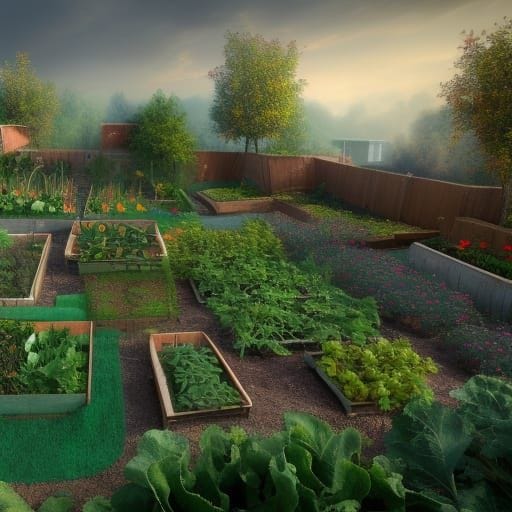
    School gardens are not just a nice addition to the schoolyard, they are a powerful learning tool that can benefit students in many ways. In this article, I will make the case that schools should have a vegetable garden and teach children about growing food, based on the evidence from research and practice.

    School gardens help children learn better

    One of the main benefits of school gardens is that they enhance children’s academic performance and attitudes towards learning. Gardening is a hands-on, experiential, and interdisciplinary activity that can be integrated into various subjects, such as science, math, language arts, social studies, and art. Gardening can also foster critical thinking, problem-solving, creativity, and collaboration skills.

    Studies have shown that students who participate in school gardening programs score higher on standardized tests, have better grades, and show more interest and engagement in learning1. For example, a study in California found that students who were involved in a school garden program had significantly higher science achievement scores than those who were not2. Another study in Texas found that students who received garden-based nutrition education had higher math and reading scores than those who did not3.

    School gardens can also support children’s social and emotional development. Gardening can reduce stress, anxiety, and aggression, and increase self-esteem, confidence, and empathy1. Gardening can also promote positive behavior and attitudes among students, such as cooperation, responsibility, respect, and leadership4. For instance, a study in New York found that students who participated in a school garden program had fewer disciplinary referrals and improved attendance than those who did not5.

    School gardens connect children with nature and food

    Another benefit of school gardens is that they help children develop a connection with nature and food. Many children today live in urban environments and have limited exposure to natural settings and the source of their food. School gardens can provide an opportunity for children to interact with living organisms, observe natural processes, and appreciate the diversity and beauty of nature6.

    School gardens can also increase children’s awareness of the seasonal nature and the variety of food. By growing their own vegetables, children can learn about the life cycles of plants, the nutritional value of different crops, and the environmental impact of food production7. School gardens can also encourage children to try new foods, develop healthy eating habits, and appreciate the cultural aspects of food.

    Studies have shown that children who garden have an increased preference for, intake of, and openness to fruits and vegetables. For example, a study in Colorado found that students who participated in a school garden program increased their vegetable consumption by 2.5 servings per day. Another study in Iowa found that students who grew their own vegetables were more willing to taste them than those who did not.

    School gardens strengthen ties between school and community

    A third benefit of school gardens is that they foster a sense of community among school stakeholders and local partners. School gardening programs can involve parents, teachers, students, administrators, food service staff, volunteers, and community organizations in various ways. For example, parents can help with fundraising, planting, harvesting, or cooking; teachers can use the garden as a teaching tool or a professional development opportunity; students can take ownership of the garden or share their produce with others; administrators can support the garden program or advocate for its sustainability; food service staff can incorporate garden produce into school meals or snacks; volunteers can provide expertise or labor; and community organizations can offer resources or partnerships.

    School gardens can also enhance the image and reputation of the school within the community. School gardens can showcase the school’s commitment to environmental stewardship, health promotion, and academic excellence. School gardens can also attract positive media attention and public recognition. For example, some schools have received awards or grants for their garden programs from local or national entities.

    How to start a school garden

    Starting a school garden may seem daunting at first, but it is not impossible. There are many resources and examples available to guide schools through the process. The basic steps to building a successful school garden program include:

    • Gathering support: The first step is to identify the need and interest for a school garden among school stakeholders and local partners. A survey or a meeting can be used to gauge the level of support and involvement from different groups. A vision statement or a mission statement can be developed to articulate the goals and benefits of the school garden.
    • Forming a garden committee: The next step is to form a garden committee that will oversee the planning, implementation, and evaluation of the school garden program. The committee should include representatives from different groups involved in the school garden, such as parents, teachers, students, administrators, food service staff, volunteers, and community organizations. The committee should meet regularly to discuss the progress and challenges of the school garden program.
    • Determining garden program goals: The third step is to determine the specific goals and objectives of the school garden program, based on the needs and interests of the school and the community. The goals and objectives should be SMART: Specific, Measurable, Achievable, Relevant, and Time-bound. The goals and objectives should also align with the school’s curriculum and standards.
    • Designing the garden: The fourth step is to design the garden layout, features, and elements, based on the available space, resources, and budget. The garden design should consider the following factors: location, size, shape, orientation, soil, water, drainage, irrigation, fencing, pathways, beds, plants, structures, tools, equipment, signage, and aesthetics. The garden design should also reflect the goals and objectives of the school garden program.
    • Identifying needs and obtaining resources: The fifth step is to identify the needs and obtain the resources for the school garden program. The needs may include materials, supplies, funds, labor, expertise, training, or permission. The resources may come from various sources, such as donations, grants, fundraisers, sponsors, partners, or volunteers. A budget and a timeline should be developed to track the expenses and income of the school garden program.
    • Building and maintaining the garden: The sixth step is to build and maintain the garden according to the design plan. This step involves preparing the site, installing the features and elements, planting the crops, watering the plants, weeding the beds, harvesting the produce, composting the waste, and repairing or replacing any damaged or broken items. This step also involves engaging students in various gardening activities and lessons throughout the year.
    • Evaluating and celebrating the garden: The final step is to evaluate and celebrate the outcomes and impacts of the school garden program. This step involves collecting data and feedback from different sources, such as surveys, interviews, observations, tests, grades, or records. This step also involves analyzing and reporting the results and findings to different audiences, such as school stakeholders, local partners, or media outlets. This step also involves celebrating and acknowledging the achievements and contributions of everyone involved in the school garden program.

    Conclusion

    School gardens are more than just a nice addition to the schoolyard. They are a powerful learning tool that can benefit students in many ways. School gardens can help children learn better academically and emotionally; connect children with nature and food; and strengthen ties between school and community. School gardens can also provide an opportunity for schools to showcase their commitment to environmental stewardship, health promotion, and academic excellence.

    Starting a school garden may seem daunting at first, but it is not impossible. There are many resources and examples available to guide schools through the process. By following some basic steps and involving different groups in the planning and implementation of the school garden program, schools can create a successful and sustainable school garden that can enrich their students’ lives for years to come.

    References:

    1: How to Start a School Garden: Your Complete Guide 2: The Effects of School Gardens on Students’ Science Knowledge 3: The Impact of Garden-Based Learning on Student Vegetable Consumption 4: The Benefits of School Gardens — Sustainable Food Center 5: The Impact of School Gardens on Academic Achievement 6: School Gardens: Can They Make Our Children Smarter? 7: Growing vegetables in school gardens — Royal Horticultural Society : School Gardens Enhance Academic Performance : The Benefits of School Gardens : Impact of a School-Based Cooking Curriculum for Fourth-Grade Students on Attitudes : Growing Healthy Kids through Farm-to-School Programs : Starting a School Garden Program: Overview — KidsGardening : Start A School Garden — Here’s How… | USDA

    Learn more:

    1. gse.harvard.edu2. sustainablefoodcenter.org3. sustainablefoodcenter.org4. learn.eartheasy.com5. schoolgardening.rhs.org.uk6. kidsgardening.org7. usda.gov8. learn.eartheasy.com9. sustainablefoodcenter.org10. schoolgardening.rhs.org.uk11. kidsgardening.org12. usda.gov13. gettyimages.com+12 more

  • The Multifaceted World of Talc: Its Uses and Industries That Rely on It

    Talc, a naturally occurring mineral primarily composed of magnesium, silicon, and oxygen, is known for its softness and has been utilized by humans for thousands of years. From ancient sculptures to modern-day cosmetics, talc’s versatility has made it indispensable in various industries. In this article, we’ll delve into the myriad uses of talc and highlight the sectors that heavily rely on this remarkable mineral.

    1. Cosmetics and Personal Care

    Talc’s softness, moisture absorption capabilities, and smooth texture make it a popular ingredient in cosmetics. It’s commonly found in:

    • Face Powders: Talc helps in setting the makeup, providing a smooth finish, and reducing the appearance of fine lines.
    • Blushes and Eye Shadows: It serves as a base, allowing for better pigment dispersion.
    • Deodorants and Soaps: Talc absorbs moisture, preventing sweat and odor.

    2. Pharmaceuticals

    Talc is used as an excipient in the pharmaceutical industry, meaning it serves as a filler or binding agent, especially in:

    • Tablets and Capsules: It aids in making the medicinal compounds more compact.
    • Powders: Talc can be used as a base for medicated powders to treat various skin conditions.

    3. Ceramics

    In the ceramics industry, talc is valued for its ability to increase the translucency of ceramics, making them both aesthetically pleasing and more durable. It’s used in:

    • Tiles: Enhancing their finish and strength.
    • Sanitary Ware: Improving the firing properties and final product’s strength.

    4. Paints and Coatings

    Talc is used in paints and coatings to:

    • Enhance Opacity: Helping to hide the substrate.
    • Improve the Paint’s Feel: Giving it a smoother texture.
    • Reduce Chalking: Prolonging the life of the paint.

    5. Plastics and Rubber

    Talc is added to plastics and rubber to:

    • Increase Rigidity: Especially in automotive parts.
    • Improve Heat Resistance: Useful in appliances and electronics.
    • Enhance the Feel: Giving products a silky touch.

    6. Food Industry

    While not as common, talc is sometimes used as an anti-caking agent in foods, ensuring products like rice or dried foods don’t clump together.

    7. Paper Manufacturing

    In papermaking, talc serves to:

    • Improve Printability: Offering a smoother surface for printing.
    • Increase Opacity: Making the paper less transparent.
    • Enhance the Feel: Giving it a more premium texture.

    Industries That Rely Heavily on Talc

    Given its diverse applications, several industries are heavily dependent on talc, including:

    • Cosmetics Manufacturers: From global brands to indie makeup companies.
    • Pharmaceutical Companies: Both for prescription drugs and over-the-counter products.
    • Ceramic Producers: Including those specializing in tiles, pottery, and sanitary ware.
    • Paint and Coating Manufacturers: Ranging from household paints to industrial coatings.
    • Plastic and Rubber Manufacturers: Especially those in the automotive and electronics sectors.
    • Paper Mills: Producing everything from writing paper to specialty papers.
    • Food Producers: Particularly those in the dried goods sector.

    Conclusion

    Talc’s unique properties, from its softness to its ability to absorb moisture, have made it a sought-after mineral in various industries. As research continues and industries evolve, the applications of talc may expand even further, solidifying its position as a mineral of immense versatility and importance.

    PURE TALCUM TRADING

    https://puretalcum.com/ Global Distributor of Talc and other minerals.

  • Exploring Gravitational Fields and Potential Interstellar Travel Methods

    Generating Gravitational Fields: A Theoretical Perspective

    Traditionally, the term “generate” has been associated with producing a gravitational field. However, in the context of our current understanding of physics, it might be more accurate to describe this as accessing or amplifying existing gravitational fields.

    Gravity, as described by Einstein’s general relativity, results from the curvature of spacetime in the presence of mass and energy. While gravitational waves, ripples in spacetime caused by certain movements of mass, have been detected and confirmed, the nature of gravity itself remains a topic of ongoing research.

    Gravity: A Dual Perspective

    For the sake of this discussion, let’s categorize gravity into two types: Gravity A and Gravity B. Gravity A could be thought of as the forces acting at quantum scales, potentially related to quantum gravity theories. Gravity B, on the other hand, is the familiar gravitational force that governs the motion of planets, stars, and galaxies.

    The electromagnetic force plays a significant role at atomic scales, governing the interactions between charged particles. At subatomic scales, the strong nuclear force is responsible for binding protons and neutrons within atomic nuclei.

    Accessing Gravitational Fields: Challenges and Possibilities

    Accessing or manipulating the gravitational fields, especially at the quantum level (Gravity A), remains a significant challenge with our current technology and understanding. Theoretical physics suggests that certain conditions or materials might allow for the manipulation of gravitational effects, but these remain speculative.

    While our solar system consists of a single star, many solar systems in our galaxy are binary or have multiple stars. The formation of these systems and the elements they contain could vary based on the initial conditions during their creation.

    The search for “superheavy” elements, those with atomic numbers greater than what we find naturally on Earth, is ongoing. Some of these elements have been synthesized in labs, but their properties and potential applications remain areas of active research.

    Potential Interstellar Travel Using Gravitational Fields

    The concept of distorting or warping spacetime to achieve faster-than-light travel has been explored in theoretical physics. While the idea remains speculative, certain solutions to the equations of general relativity, such as the Alcubierre drive, suggest that space-time warping might be possible, given specific conditions and energy requirements.

    The principle behind such concepts is to bring distant points in space closer together by manipulating the fabric of spacetime itself. However, the practical implementation of such a drive would require technologies and energy sources far beyond our current capabilities.

    Travel Configurations: Theoretical Models

    For the sake of discussion, let’s consider two configurations: Omicron and Delta. In the Omicron configuration, a gravitational field could be used for levitation or maintaining a stable position in space. The Delta configuration might involve multiple synchronized gravitational fields to achieve movement or distortion of spacetime for travel.

    The idea of using triangulated gravitational fields to pinpoint specific locations in space is intriguing. Such a method would require advanced navigation systems, especially considering the dynamic nature of space, with various gravitational sources influencing the trajectory of light and other particles.

    Concluding Thoughts

    While the concepts discussed here are rooted in theoretical physics, their practical realization would require significant advancements in technology and a deeper understanding of the universe’s fundamental forces. As our understanding of physics evolves, so too will our perspective on the possibilities and challenges of interstellar travel.

  • Efficient Building Cooling Methods: Embracing Nature and Innovation

    In the era of climate change and rising global temperatures, the need for efficient building cooling methods has never been more pressing. Traditional air conditioning systems, while effective, consume a significant amount of energy and contribute to greenhouse gas emissions. However, there are alternative cooling methods that require little to no energy, making them both environmentally friendly and cost-effective. Let’s delve into some of these methods and understand their workings.

    1. Wind Tower: Harnessing Natural Airflow

    A wind tower is designed to pull warm air up and out of a building. This is achieved through:

    • High Ceilings: Allows for better air circulation and heat dissipation.
    • Wind Catcher: Captures and directs the breeze into the building.
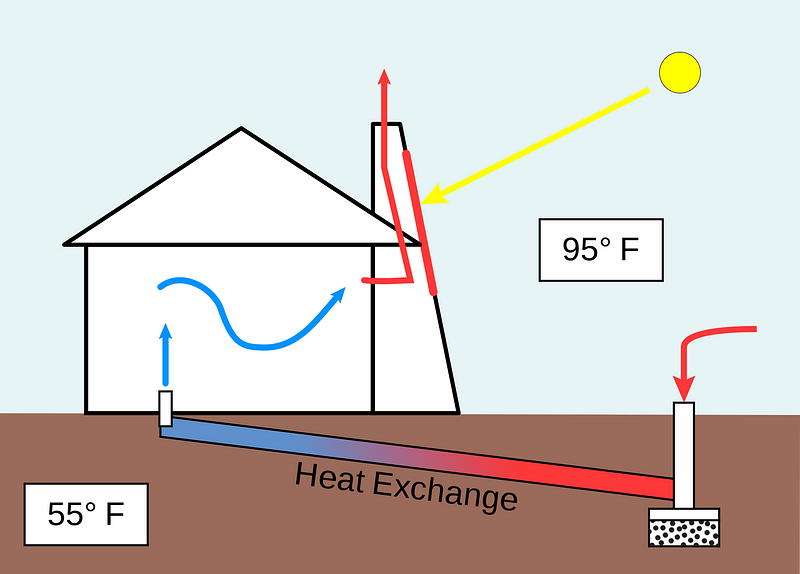
    Solar Chimney Diagram

    2. Solar Chimney: The Power of the Sun

    A solar chimney is an enhanced version of a ventilation tower. It leverages the stack effect, which takes advantage of height and temperature differences to move air. The sun shines into the high section of the chimney, and the surface where the sun hits should ideally be of a darker color to increase the temperature difference. This creates a more effective vertical draft, using the hotter air at the top as the “thermal engine” to drive the conductive airflow. To regulate this airflow, one can open or close windows, doors, and skylights. For instance, using a stairwell to allow hot air to rise can be controlled by adjusting a door at the bottom of the stairs.

    3. Limiting Solar Gain: Keeping the Heat Out

    Solar gain refers to the increase in temperature in a space due to solar radiation. To limit this:

    • Shade: Use awnings or other shading devices.
    • Window Placement: Avoid having too many windows on the east and west sides.
    • Reflective Surfaces: These can reflect sunlight away.
    • Tinted Windows: Reduce the amount of sunlight entering the building.
    • Vegetation: Planting on walls and windows can provide natural shading.

    4. Using Thermal Mass: Storing and Releasing Heat

    Thermal mass involves using heavy, dense materials like concrete stone floors and plaster adobe walls. These materials can absorb heat during the day and release it at night, helping to regulate indoor temperatures.

    5. Fans and Evaporative Coolers

    While fans don’t cool the air, they circulate it, creating a wind-chill effect that can make the environment feel cooler. Evaporative coolers, on the other hand, use water to cool the air, making them ideal for dry climates.

    6. Best Bets for Passive Cooling

    According to the Rocky Mountain Institute, passive cooling measures can reduce energy bills by up to 40%. Some of these strategies include:

    • Minimizing indoor heat generation.
    • Weatherization through caulking, sealing, and weatherstripping.
    • Insulation to reduce heat conduction.
    • Window shading and glazing.
    • Roof whitening and attic ventilation.
    • Trees and landscaping.

    Exploring New Cooling Methods

    While the methods mentioned above are tried and tested, the quest for innovative cooling solutions is ongoing. Mother Earth News has highlighted various natural cooling techniques that can be explored further. Additionally, research into new materials and technologies promises even more efficient and sustainable cooling solutions in the future.

    In conclusion, as we face the challenges of a warming planet, it’s imperative to explore and adopt cooling methods that are not only effective but also sustainable. By harnessing the power of nature and innovation, we can create comfortable living spaces while reducing our carbon footprint.