Category: Nature

  • The History of Sand Grain Sizes: An In-Depth Analysis of the Slight Variations Over the Last Millennium

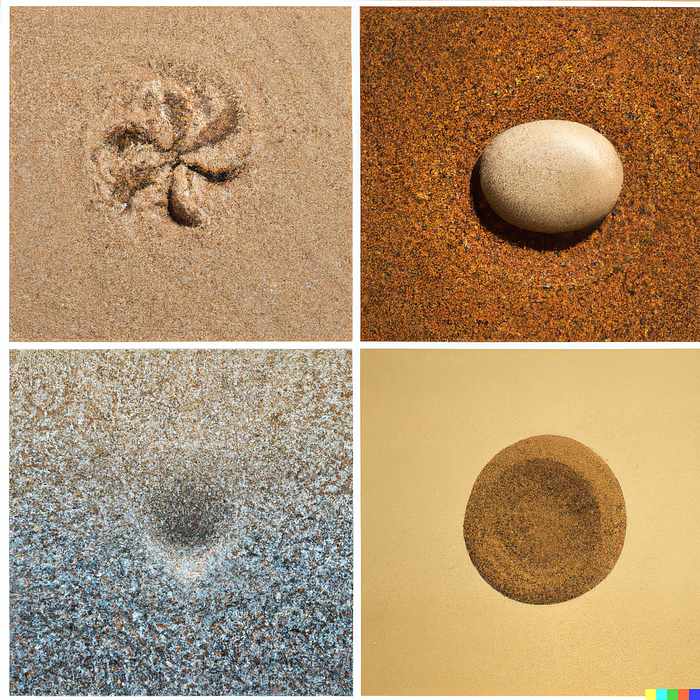
    Sand, the seemingly mundane substance we often associate with beaches and deserts, has a rich history that’s as dynamic as the forces that shape it. Over the last millennium, the size of sand grains has seen subtle yet significant changes, influenced by both natural and anthropogenic factors. This article delves into the intricate journey of sand grain sizes through the ages.

    The Early Middle Ages: Nature’s Play

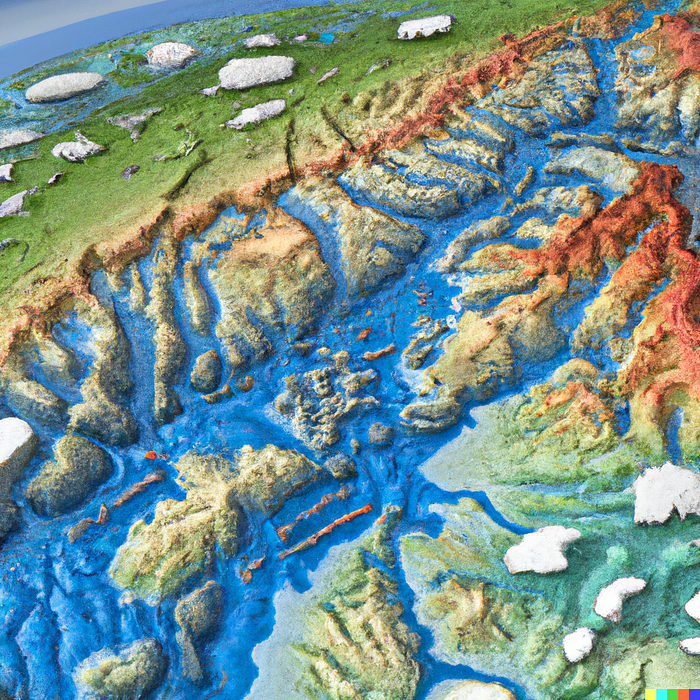
    Around the 10th century, the world’s climate was undergoing the Medieval Warm Period. This climatic phase saw warmer temperatures, which had a direct impact on glacial melt and sediment flow into rivers and oceans. The increased sediment supply led to slightly coarser sand grains, as the rapid flow allowed larger particles to be transported.
    The Late Middle Ages: Human Intervention Begins

    As human civilizations expanded and urbanized areas grew, deforestation and land-use changes began to influence sediment supply. The removal of vegetation cover, combined with agricultural practices, increased soil erosion. This period saw a mix of finer and coarser grains, reflecting the balance between natural climatic influences and human-induced changes.

    The Industrial Revolution: A Shift in Dynamics

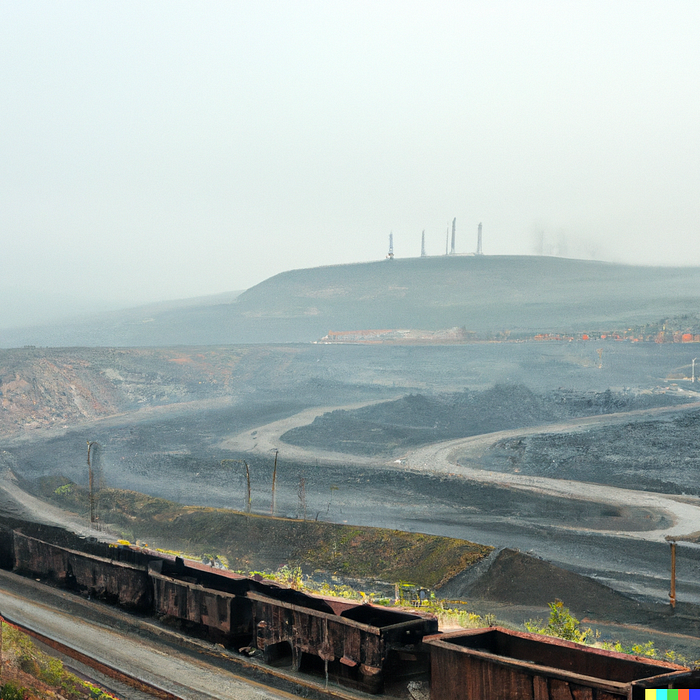
    The 18th and 19th centuries marked a significant turning point. The Industrial Revolution brought about extensive mining activities, altering the landscape and sediment dynamics. The extraction of minerals and the construction of railways and roads led to increased soil erosion. Sand grains during this era trended towards the finer side, reflecting the dominance of human activities over natural processes in influencing sediment characteristics.
    The 20th Century: The Age of Dams

    The construction of dams in the 20th century had a profound impact on sand grain sizes. Dams trapped sediments, reducing the sediment flow downstream. As a result, many river deltas and coastal areas saw a shift towards finer-grained sands. The reduced sediment supply also impacted coastal ecosystems, leading to beach erosion in many parts of the world.

    The 21st Century: Climate Change and Its Implications

    Today, the effects of climate change are becoming increasingly evident. Rising sea levels, intensified storms, and changing precipitation patterns are reshaping our coastlines. These factors, combined with continued human interventions, are influencing sand grain sizes in complex ways. Current observations suggest a trend towards coarser grains in some areas due to intensified wave actions, while other regions are seeing finer grains due to sea-level rise and reduced sediment supply.

    Conclusion

    The history of sand grain sizes offers a fascinating lens through which we can understand the interplay between natural processes and human activities. As we move forward, it’s crucial to recognize the importance of these tiny grains in our ecosystems and the broader geological narrative. Their subtle shifts tell a story of a world in flux, constantly molded by the forces of nature and human ambition.
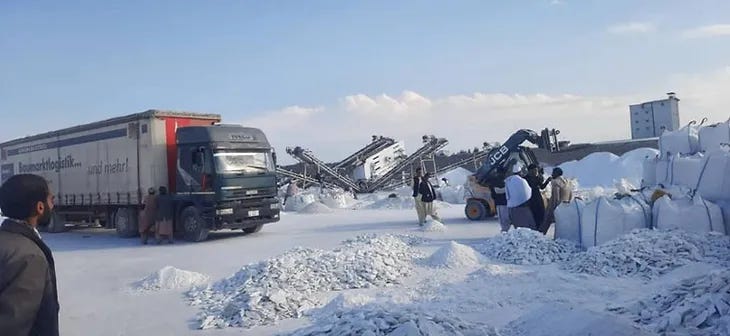
  • The Multifaceted World of Talc: Its Uses and Industries That Rely on It

    Talc, a naturally occurring mineral primarily composed of magnesium, silicon, and oxygen, is known for its softness and has been utilized by humans for thousands of years. From ancient sculptures to modern-day cosmetics, talc’s versatility has made it indispensable in various industries. In this article, we’ll delve into the myriad uses of talc and highlight the sectors that heavily rely on this remarkable mineral.

    1. Cosmetics and Personal Care

    Talc’s softness, moisture absorption capabilities, and smooth texture make it a popular ingredient in cosmetics. It’s commonly found in:

    • Face Powders: Talc helps in setting the makeup, providing a smooth finish, and reducing the appearance of fine lines.
    • Blushes and Eye Shadows: It serves as a base, allowing for better pigment dispersion.
    • Deodorants and Soaps: Talc absorbs moisture, preventing sweat and odor.

    2. Pharmaceuticals

    Talc is used as an excipient in the pharmaceutical industry, meaning it serves as a filler or binding agent, especially in:

    • Tablets and Capsules: It aids in making the medicinal compounds more compact.
    • Powders: Talc can be used as a base for medicated powders to treat various skin conditions.

    3. Ceramics

    In the ceramics industry, talc is valued for its ability to increase the translucency of ceramics, making them both aesthetically pleasing and more durable. It’s used in:

    • Tiles: Enhancing their finish and strength.
    • Sanitary Ware: Improving the firing properties and final product’s strength.

    4. Paints and Coatings

    Talc is used in paints and coatings to:

    • Enhance Opacity: Helping to hide the substrate.
    • Improve the Paint’s Feel: Giving it a smoother texture.
    • Reduce Chalking: Prolonging the life of the paint.

    5. Plastics and Rubber

    Talc is added to plastics and rubber to:

    • Increase Rigidity: Especially in automotive parts.
    • Improve Heat Resistance: Useful in appliances and electronics.
    • Enhance the Feel: Giving products a silky touch.

    6. Food Industry

    While not as common, talc is sometimes used as an anti-caking agent in foods, ensuring products like rice or dried foods don’t clump together.

    7. Paper Manufacturing

    In papermaking, talc serves to:

    • Improve Printability: Offering a smoother surface for printing.
    • Increase Opacity: Making the paper less transparent.
    • Enhance the Feel: Giving it a more premium texture.

    Industries That Rely Heavily on Talc

    Given its diverse applications, several industries are heavily dependent on talc, including:

    • Cosmetics Manufacturers: From global brands to indie makeup companies.
    • Pharmaceutical Companies: Both for prescription drugs and over-the-counter products.
    • Ceramic Producers: Including those specializing in tiles, pottery, and sanitary ware.
    • Paint and Coating Manufacturers: Ranging from household paints to industrial coatings.
    • Plastic and Rubber Manufacturers: Especially those in the automotive and electronics sectors.
    • Paper Mills: Producing everything from writing paper to specialty papers.
    • Food Producers: Particularly those in the dried goods sector.

    Conclusion

    Talc’s unique properties, from its softness to its ability to absorb moisture, have made it a sought-after mineral in various industries. As research continues and industries evolve, the applications of talc may expand even further, solidifying its position as a mineral of immense versatility and importance.

    PURE TALCUM TRADING

    https://puretalcum.com/ Global Distributor of Talc and other minerals.